Sponsored Editorial · Advertisement

The Quiet Morning Habit With Honey Okinawan Elders Never Skipped

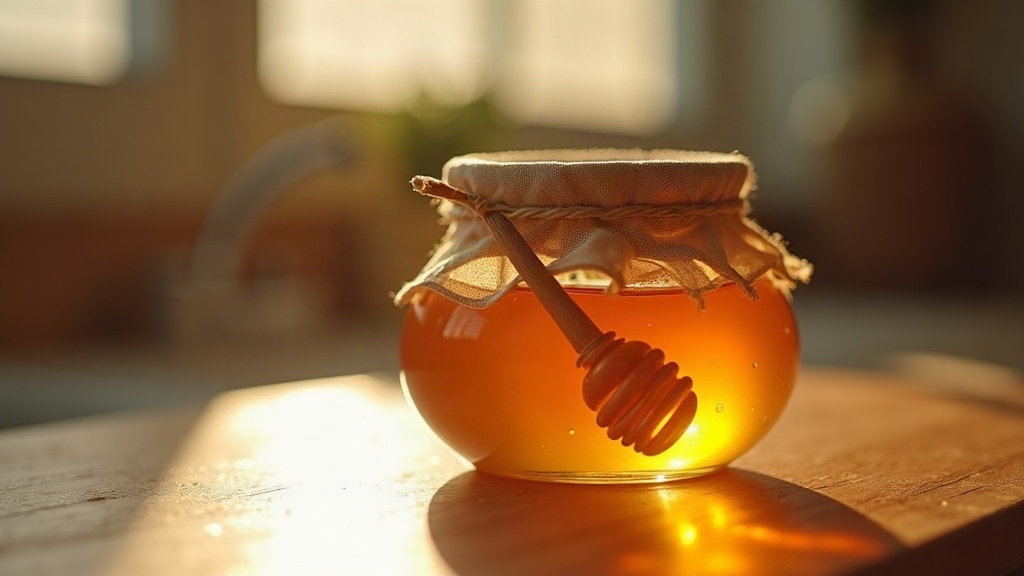
At 6:45 each morning, before the tea kettle even finishes its whistle, elders in a small Okinawan town reach for a spoon of honey — a habit passed down long before anyone called it a wellness trend. This short video explains why that simple gesture still matters today.

A tradition older than modern supplement aisles  ·  No product names, no hype — just context  ·  Educational content for adults 50 and over  ·  Understand the habit before you judge it

Why Memory Shifts After 50

It’s 7:10 a.m. Dorothy stands at her kitchen counter, kettle humming, and for a moment she forgets why she walked in. Moments like this become more familiar with age — not because something is wrong, but because the body’s rhythms are changing, sometimes alongside small daily habits like honey in the morning that have quietly disappeared from routines.

Slower Recall Moments

Names, dates, and small details can take a beat longer to surface — a common shift many adults notice gradually over the years.

Lighter, More Restless Sleep

Sleep patterns often change with age, and less restorative rest can make the following day feel foggier than usual.

Afternoon Mental Fatigue

Many people notice a dip in sharpness mid-afternoon, especially when mornings lack steady, simple routines.

Shifting Nutritional Needs

The body's needs evolve over the decades, and habits that worked at 30 may not serve the same purpose at 55 or 65.

Myths vs Facts About Aging and Memory

Confusion about cognitive aging is common. Separating tradition-based habits from myths helps set realistic expectations.

MYTH

Memory decline is inevitable and uniform for everyone.

FACT

Cognitive changes vary widely between individuals and are shaped by many lifestyle factors, not a fixed timeline.

MYTH

Traditional morning rituals like honey in tea are just old folklore with no relevance today.

FACT

Many longstanding daily habits, including honey-based routines, are still studied for their role in general wellness practices.

MYTH

If you notice occasional forgetfulness, there is nothing you can do about your daily routine.

FACT

Simple, consistent morning habits are often discussed by wellness educators as part of a broader, balanced lifestyle.

A Simple Three-Step Morning Sequence

The ritual observed in this video follows a straightforward structure, repeated daily rather than occasionally.

01

Step One: Wake With Water

Before anything else, a small glass of warm water is consumed slowly, allowing the body to transition gently from rest.

02

Step Two: The Honey Pause

A small spoonful of raw honey is taken on its own or stirred into warm tea, unhurried, often in silence before the day begins.

03

Step Three: A Few Minutes of Stillness

Before checking a phone or starting chores, a few quiet minutes are spent seated, breathing, and looking outside.

A Tradition Rooted in Okinawan Mornings

Okinawa has long been studied by researchers interested in longevity and daily lifestyle patterns among its older population. Among the routines observed by visiting researchers and writers over the decades, a small morning ritual involving honey stood out — not as a remedy, but as a steady, unremarkable part of the day, repeated without fail across generations.

The insight isn’t about a single ingredient. It’s about consistency: a small, calm act repeated every morning, regardless of circumstance.

Signs Worth Paying Attention To

Frequently Misplacing Everyday Items

Occasionally losing keys is normal; a marked increase in frequency may be worth discussing with a healthcare provider.

Difficulty Following Multi-Step Conversations

Struggling to keep track of a conversation with several points can sometimes indicate mental fatigue or other factors.

Getting Disoriented in Familiar Places

Feeling briefly lost in a well-known area is a sign that should not be ignored if it happens more than once.

Withdrawing From Social Routines

Avoiding regular social activities can sometimes be linked to frustration over memory lapses.

Trouble Finding Common Words

Occasionally searching for a word is normal; frequent, sudden gaps may warrant a conversation with a professional.

Noticeable Changes in Sleep Quality

Persistent difficulty falling or staying asleep can affect daytime alertness and should be monitored over time.

What People Are Saying

I started this small morning routine mostly out of curiosity. It's become a calm part of my day I look forward to.

Eleanor R.
Illustrative account
I appreciated learning the history behind it instead of just being told to buy something. It felt honest.
Walter B.
Illustrative account
It's a simple five minutes in the morning. I can't say it changed my life, but I do enjoy the quiet moment it gives me.
Grace T.
Illustrative account

These testimonials reflect individual experiences and opinions. Results and experiences vary from person to person, and these statements are not a guarantee of any specific outcome.

Frequently Asked Questions

No. The video is educational content discussing a traditional morning habit and general lifestyle context. It does not present medical advice or treatment.

No. The habit discussed is a small addition, not a replacement for existing routines or professional guidance.

The video uses the honey ritual as a lens to explore a broader daily habit observed in Okinawan tradition, alongside general lifestyle context.

Most adults can learn from this general educational content, but anyone with specific health conditions should consult a healthcare professional before changing habits, including dietary ones.

No. The video focuses on habit and context, not on promoting a specific branded product.

It’s a short watch, designed to be viewed in one sitting during a quiet moment of your day.

No, the video itself is free to watch. Any related offers are presented separately and clearly disclosed.

Curious About the Full Story?

Watch the short video to see how this simple morning ritual has been passed down for generations — and why it still matters today.

Advertising Disclosure: This is sponsored content created for advertising purposes. This page may contain affiliate links, and we may receive compensation if you make a purchase or take action through those links. This helps support the content at no additional cost to you.

Content Disclaimer: This content is for educational and informational purposes only and has not been evaluated by the Food and Drug Administration. It is not intended to diagnose, treat, cure, or prevent any disease or medical condition. Always consult a qualified healthcare professional before making changes to your diet, lifestyle, or wellness routine.

Results Disclaimer: Individual results vary. Testimonials and personal accounts shared on this page reflect individual experiences and are not a guarantee of any specific outcome for any other person.

© 2026 · All Rights Reserved · Questions? Visit our /contact/ page.